
Mobile Phlebotomy Service: Convenient Blood Draws at Home, Work, or Your Preferred Location
mobile phlebotomy service
By cheree owens13 min readUpdated
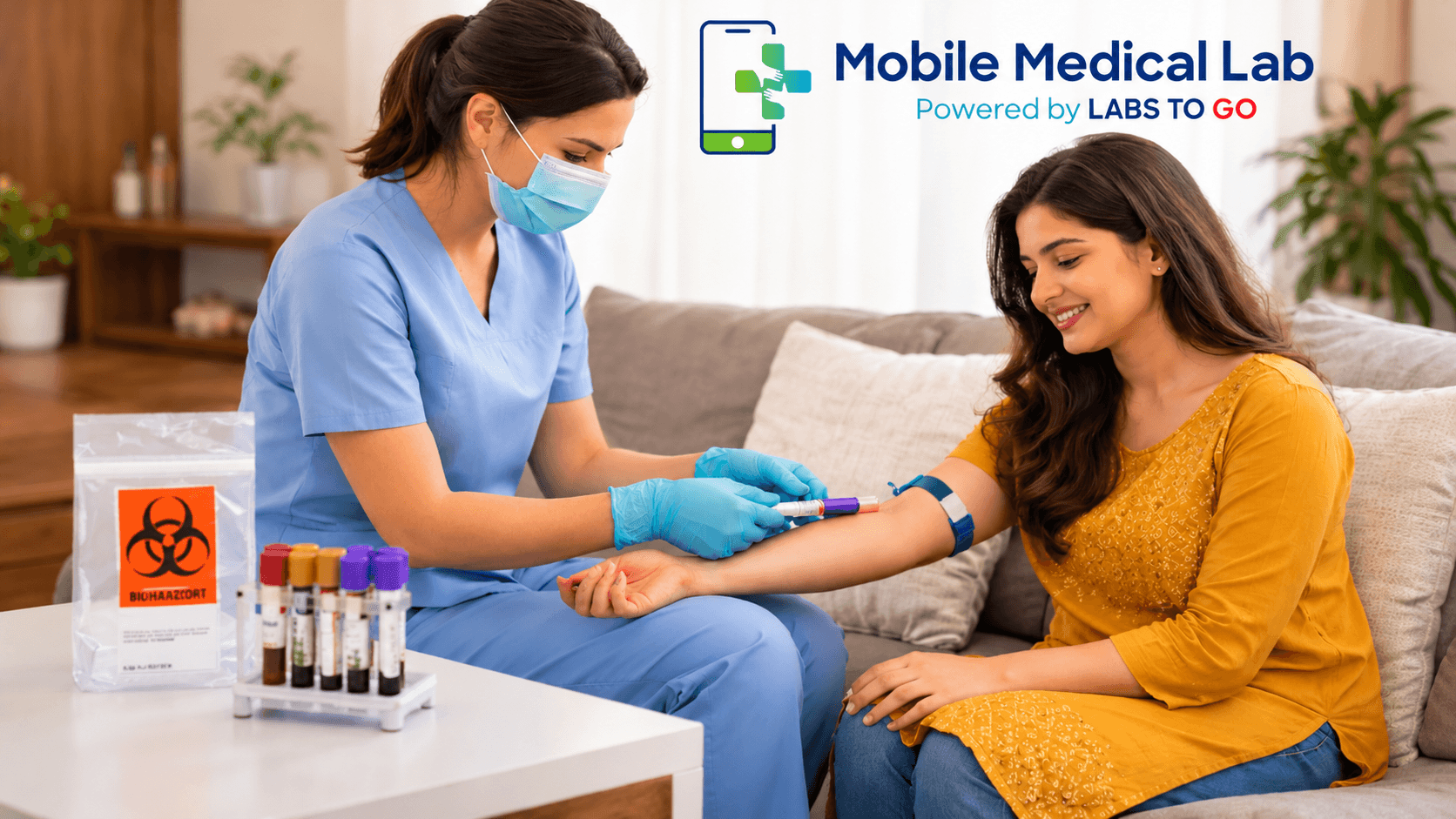
Healthcare is becoming more convenient, personalized, and accessible. However, traveling to a laboratory for routine blood work can still be challenging for busy professionals, older adults, people with limited mobility, and families managing demanding schedules. A mobile phlebotomy service offers a practical solution by bringing professional blood collection directly to your home, office, or another approved location.
Instead of spending time traveling to a laboratory and waiting for an appointment, you can schedule a qualified phlebotomist to visit you at a convenient time. Your sample is collected professionally and transported or delivered to the designated laboratory according to the testing requirements.
At Mobile Medical Lab, individuals and organizations can explore convenient mobile phlebotomy and specimen collection services designed to simplify the testing process.
In this guide, we explain what mobile phlebotomy is, how it works, who can benefit, and what to consider when choosing a mobile blood draw provider.
What Is a Mobile Phlebotomy Service?
A mobile phlebotomy service is a healthcare service in which a trained or appropriately certified phlebotomist travels to a patient's preferred location to collect blood samples for laboratory testing. Depending on the provider and the requested test, services may also include other specimen collection and handling.
Traditional blood testing usually requires patients to visit a hospital, diagnostic center, or laboratory. Mobile phlebotomy changes this process by bringing the collection service to the patient.
A mobile phlebotomist uses appropriate collection supplies, follows established hygiene and specimen-handling procedures, and collects samples according to the relevant laboratory instructions. The samples are then delivered or shipped to the designated laboratory for analysis.
Mobile phlebotomy may support routine laboratory testing, physician-ordered blood work, recurring collections, specialized testing kits, and other services offered by the provider.
The key benefit is convenience: patients can complete the collection process without necessarily making a separate trip to a laboratory.
Why Is Mobile Phlebotomy Becoming More Popular?
Convenience plays an important role in modern healthcare. Many people want easier access to medical services without disrupting their work, family responsibilities, or daily routines.
A mobile phlebotomy service can help address several common challenges:
Time constraints: Patients can arrange a visit around their schedules.
Transportation difficulties: Individuals who find traveling challenging may be able to receive collection services at home.
Comfort and privacy: Some patients prefer a familiar environment for blood collection.
Care coordination: Families, caregivers, and healthcare facilities can arrange collections for patients who need assistance.
Recurring testing: Eligible patients who require regular laboratory monitoring may find scheduled home visits more convenient.
Mobile phlebotomy does not replace every laboratory or medical appointment. Instead, it provides another way to complete appropriate specimen collection when the service is available and suitable for the requested test.
7 Benefits of Using a Mobile Phlebotomy Service
1. Convenient Blood Draws at Home
One of the main advantages of a mobile phlebotomy service is the ability to have blood collected at home. This can reduce the time and effort associated with traveling to a testing facility.
Patients can prepare a suitable space for the appointment and follow any instructions provided before the visit. The phlebotomist arrives with the necessary collection equipment and performs the procedure according to applicable protocols.
For people managing multiple responsibilities, this convenience can make routine testing easier to arrange.
2. Saves Time for Busy Professionals
Work schedules, meetings, commuting, and family responsibilities can make it difficult to find time for laboratory appointments.
A mobile blood draw service provides an alternative for people who prefer to schedule specimen collection at home or at an approved workplace location.
Appointment availability varies by location and provider, so it is important to confirm the available dates, times, and service area before booking.
3. Supports Older Adults and People With Limited Mobility
Traveling to a laboratory can be particularly difficult for older adults, people recovering from surgery, individuals with disabilities, and patients who need caregiver assistance.
A mobile phlebotomist may collect the required sample at the patient's residence or care facility, subject to the provider's capabilities and the patient's clinical needs.
This arrangement can also help family members and caregivers coordinate testing without organizing additional transportation.
4. Offers a More Comfortable Experience
Some people experience anxiety before blood collection or feel more comfortable in familiar surroundings.
Having a professional visit the home may reduce some of the stress associated with traveling to an unfamiliar healthcare setting. Patients can discuss concerns with the phlebotomist before the procedure begins.
However, individual experiences vary, and mobile collection may not be appropriate for every patient or every clinical situation.
5. Helps Coordinate Recurring Blood Tests
Some patients need repeated laboratory testing as part of a healthcare professional's monitoring plan.
Depending on the provider's services, mobile phlebotomy appointments may be arranged on a recurring basis. This can simplify scheduling for patients, caregivers, and healthcare teams.
Patients should continue following their healthcare provider's testing schedule and should not change the timing or frequency of tests without appropriate guidance.
6. Supports Healthcare Facilities and Organizations
Mobile phlebotomy can be useful beyond individual home visits. Assisted living facilities, home healthcare organizations, medical practices, and other eligible organizations may use mobile collection services to coordinate patient testing.
Employers and other organizations may also arrange specific specimen collection services when appropriate.
Before entering into a service agreement, organizations should confirm staff qualifications, coverage areas, specimen transportation procedures, documentation requirements, privacy practices, and the provider's ability to meet their operational needs.
7. Improves Access to Specimen Collection
For some patients, transportation, distance, scheduling, or caregiving responsibilities create barriers to completing laboratory work.
Mobile collection offers an additional option for eligible testing and may make it easier to coordinate care. Availability depends on the location, requested service, laboratory requirements, and the patient's circumstances.
Who Can Benefit From Mobile Phlebotomy Services?
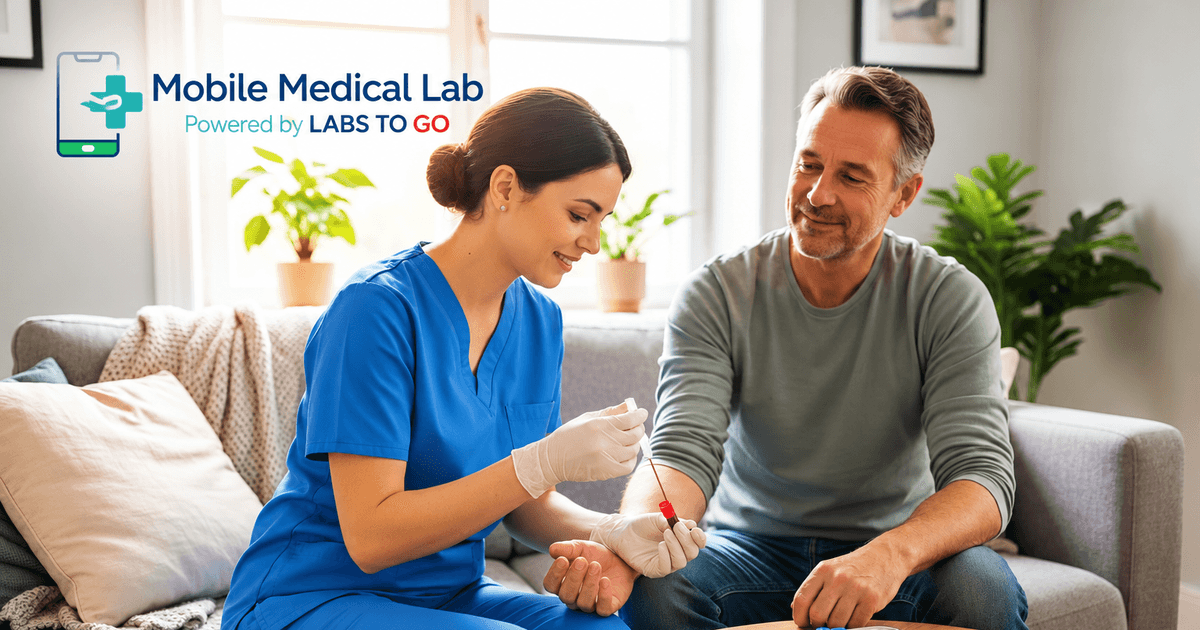
A mobile phlebotomy service can be helpful for different groups of patients and organizations.
Busy professionals: People with demanding work schedules who want to reduce travel time for appropriate blood draws.
Older adults: Individuals who prefer home-based collection or need help arranging transportation.
People with mobility limitations: Patients who find it difficult to travel to a diagnostic center.
Homebound patients: Individuals receiving home-based care who need laboratory specimen collection arranged through their healthcare team.
Families and caregivers: People coordinating testing for relatives who require additional assistance.
Healthcare facilities: Organizations seeking on-site specimen collection support for eligible residents or patients.
Patients requiring recurring tests: Individuals whose healthcare providers have requested regular blood collection.
Research and specialized testing participants: People who need collection performed according to a specific study, laboratory kit, or testing protocol.
Before scheduling, confirm that the provider can collect the required specimen and that the testing laboratory accepts samples collected through the proposed arrangement.
How Does a Mobile Phlebotomy Service Work?
The process is generally straightforward, although requirements vary by test and provider.
Step 1: Choose the Required Service
Visit the provider's website and review the available mobile blood draw or specimen collection options. Identify the type of service you need and whether the provider covers your location.
Some tests require a laboratory order, requisition form, collection kit, or other documentation.
Step 2: Schedule an Appointment
Select an available appointment time and provide the necessary contact and location information. Ask about the service fee, cancellation policy, preparation instructions, and any additional laboratory charges.
If you require fasting blood work, confirm the instructions with your healthcare professional or testing provider before your appointment.
Step 3: Prepare for the Visit
Follow the instructions provided for your specific test. Depending on the order, you may need to fast, maintain your normal medication schedule, bring paperwork, or have a collection kit ready.
Do not stop taking prescribed medication or change your usual treatment unless your healthcare professional instructs you to do so.
Choose a clean, comfortable area where the phlebotomist can work safely.
Step 4: The Phlebotomist Collects Your Sample
The phlebotomist verifies the necessary information, prepares the collection equipment, and obtains the specimen using appropriate procedures.
After the blood draw, the collection site is cared for and the samples are labeled and handled according to the applicable requirements.
Step 5: The Specimen Is Sent to the Laboratory
Collected specimens are transported, delivered, or shipped to the designated laboratory using procedures appropriate for the test. Certain samples may require specific temperature controls, packaging, timing, or chain-of-custody documentation.
Proper handling is essential because unsuitable collection or transport conditions can affect whether a specimen can be tested.
Step 6: Results Are Processed and Shared
The laboratory performs the requested analysis. Results are generally made available through the laboratory, ordering healthcare professional, or designated reporting process.
Turnaround times depend on the test, laboratory, and specimen requirements. A mobile collection appointment does not automatically mean same-day results.
What Types of Services May Be Available?
The services offered by a mobile phlebotomy provider vary. Depending on the provider, location, laboratory, and documentation, options may include:
Routine blood draws for laboratory testing.
Physician-ordered laboratory specimen collection.
Specialized collection kits.
Urine or other approved specimen collection.
Certain DNA or paternity testing collections.
Drug testing specimen collection.
Therapeutic phlebotomy when offered and medically appropriate.
Recurring specimen collection for eligible patients.
Not every provider offers every service. Some tests require special training, specific equipment, an authorized order, identity verification, or a documented chain of custody.
For a current list of available services, visit Mobile Medical Lab and confirm your requirements before booking.
Mobile Phlebotomy vs. Visiting a Traditional Laboratory
Both options can support laboratory testing, but the collection experience differs.
A traditional laboratory provides an established location with on-site facilities and may offer a wider range of walk-in or specialized services. Mobile phlebotomy provides greater location flexibility by bringing specimen collection to an approved location.
Mobile appointments may involve a separate collection or travel fee. Traditional laboratory visits may be more suitable when specialized equipment, immediate clinical assessment, or services unavailable through a mobile provider are required.
The best choice depends on your test, budget, mobility, location, scheduling needs, and healthcare provider's instructions.
How to Choose the Right Mobile Phlebotomy Service
Choosing a reliable provider is important for both patient comfort and proper specimen handling.
Verify Qualifications and Training
Ask about the phlebotomist's training, credentials, and experience. Requirements vary by state and service type, so confirm that the provider meets the applicable standards.
Confirm Laboratory Compatibility
Check whether the provider can collect your specific test and deliver the sample to the laboratory designated by your healthcare professional. Do not assume every provider works with every laboratory.
Ask About Pricing
Understand the mobile collection fee and whether laboratory analysis is included or billed separately. Request clarification about travel charges, specialized collection fees, cancellations, and additional services.
Review Privacy and Specimen Handling
Ask how patient information is protected, how samples are labeled and transported, and how the provider coordinates delivery and reporting. For applicable covered entities and business associates, HIPAA requirements govern protected health information.
Check Service Area and Scheduling
Confirm coverage for your address and ask about appointment availability. Same-day visits may be available in some areas, but they should never be assumed without confirmation.
Understand How Results Are Delivered
Ask whether results are shared with the ordering provider, released through a laboratory portal, or delivered through another authorized process. Clarify who you should contact with questions about your results.
Preparing for Your Mobile Blood Draw Appointment
A little preparation can help your appointment run smoothly.
Confirm your appointment date, time, and address.
Keep any required laboratory order or collection paperwork accessible.
Follow test-specific fasting and preparation instructions.
Drink water if permitted by your instructions.
Wear clothing that allows easy access to your arm.
Tell the phlebotomist if you have previously fainted during blood draws or have concerns about the procedure.
Inform the provider about relevant collection difficulties before the appointment.
Make sure pets and other potential distractions are safely managed during the visit.
If you feel unwell or believe the test requires urgent medical attention, contact an appropriate healthcare professional rather than relying on a routine mobile collection appointment.
Why Consider Mobile Medical Lab?
Mobile Medical Lab offers a convenient way to explore mobile phlebotomy and specimen collection services. Its website describes at-home and workplace collection options, appointment scheduling, and specimen handling through laboratory partners.
The service may be useful for people seeking an alternative to traveling to a collection center, as well as organizations coordinating appropriate specimen collection.
Before scheduling, review the available service details, confirm coverage for your address, and verify any documentation or laboratory requirements associated with your test.
To learn more about available options, visit the Mobile Medical Lab website.
Frequently Asked Questions About Mobile Phlebotomy Service
1. What is a mobile phlebotomy service?
A mobile phlebotomy service sends a qualified phlebotomist to an approved location to collect blood samples for laboratory testing. Depending on the provider, other specimen collection services may also be available.
2. Can a phlebotomist draw blood at my home?
Yes, many providers offer home blood draws in their service areas. Confirm that your address is covered and that the requested test is suitable for mobile collection.
3. Do I need a doctor's order for mobile phlebotomy?
Requirements depend on the test, provider, and laboratory. Some collections require a clinician's order or requisition, while certain direct-access testing arrangements may have different requirements. Confirm this before booking.
4. How much does a mobile phlebotomy service cost?
Pricing varies according to location, travel distance, collection type, and whether laboratory testing is included. Ask for an itemized quote before confirming your appointment.
5. How long does a mobile blood draw take?
The collection itself may take only a short time, but the full appointment can vary based on patient needs, the number of specimens, paperwork, and test requirements.
6. Are mobile blood draw services safe?
When performed by appropriately qualified personnel following proper infection-control, identification, collection, and specimen-handling procedures, mobile blood draws can be a suitable option for eligible patients. Always verify the provider's qualifications and procedures.
7. How quickly will I receive my results?
Turnaround depends on the test and the receiving laboratory. Some results may be available quickly, while specialized tests can take longer. Ask the provider or ordering clinician about expected timing.
8. Can mobile phlebotomy support older adults or homebound patients?
Yes, mobile collection can help eligible patients who find traveling difficult. The provider should confirm that it can safely accommodate the patient's needs and requested testing.
Book a Convenient Mobile Phlebotomy Service
Getting laboratory work completed should fit as smoothly as possible into your healthcare routine. A mobile phlebotomy service offers an alternative to traveling to a traditional collection center by bringing specimen collection to your home, workplace, or another approved location.
Whether you are a busy professional, a caregiver, an older adult, or an organization coordinating patient services, mobile specimen collection may help simplify scheduling and reduce travel-related inconvenience.
Explore available services, check your location's coverage, and confirm the requirements for your test.
Ready to get started? Visit Mobile Medical Lab to explore mobile phlebotomy and lab collection options and schedule a service when available.
Book your at-home visit
Download the Mobile Medical Lab app to schedule a collection at home or at work.