Mobile Lab vs Traditional Clinic: Which Is Better for You? (2026 Guide)
7 min read··Mobile Medical Lab
Key Takeaways
— Mobile labs bring blood draws, drug testing, and wellness screenings directly to your home, office, or job site.
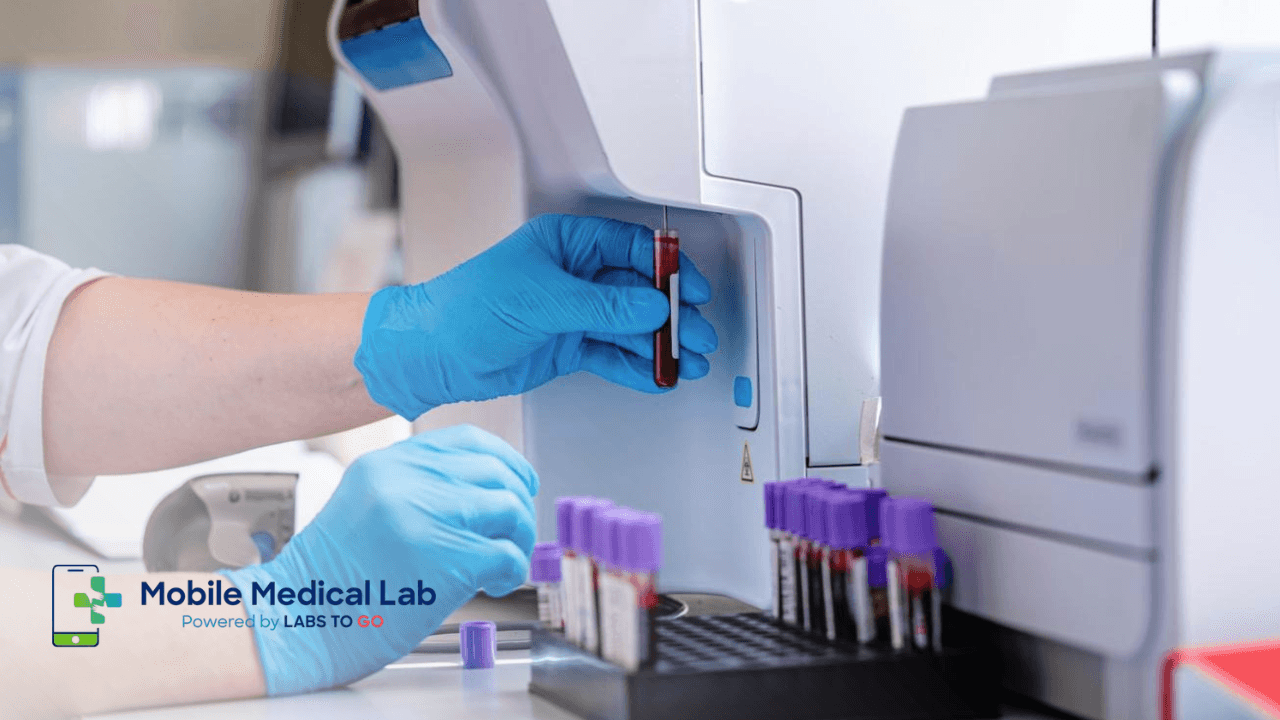
— Test accuracy is identical — mobile and clinic samples are processed at the same CLIA-accredited labs (Labcorp, Quest Diagnostics).
— Mobile services win on convenience, comfort, time, privacy, and reduced exposure to other patients.
— Traditional clinics remain the right choice for imaging, specialist consultations, and advanced diagnostics.
— When you account for travel, parking, and lost work hours, mobile lab services are often more cost-effective overall.
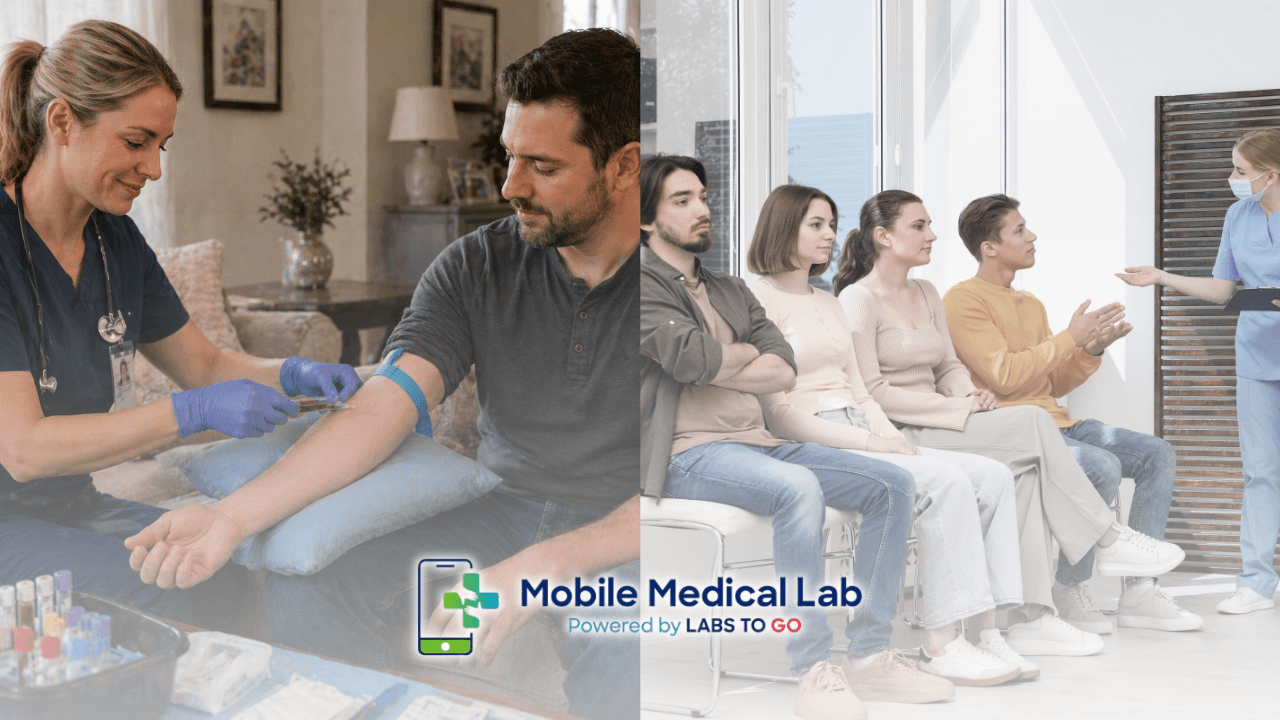
Healthcare is changing — and so are patient expectations. Instead of spending hours in a waiting room, many people are now turning to mobile lab services, where testing is performed at home, at work, or at a preferred location.
But does convenience come at a cost? Or is a mobile lab actually better than a traditional clinic? In this guide, we break down the key differences so you can choose the best option for your needs.
What Is a Mobile Lab Service?
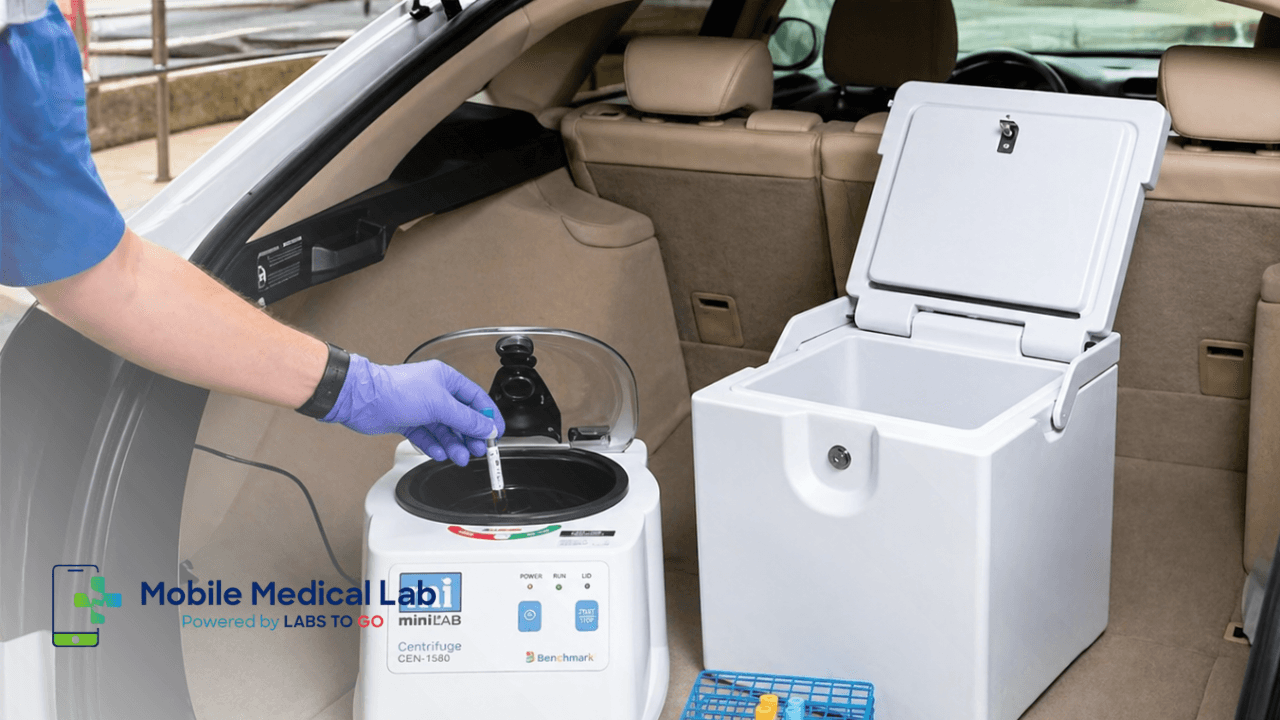
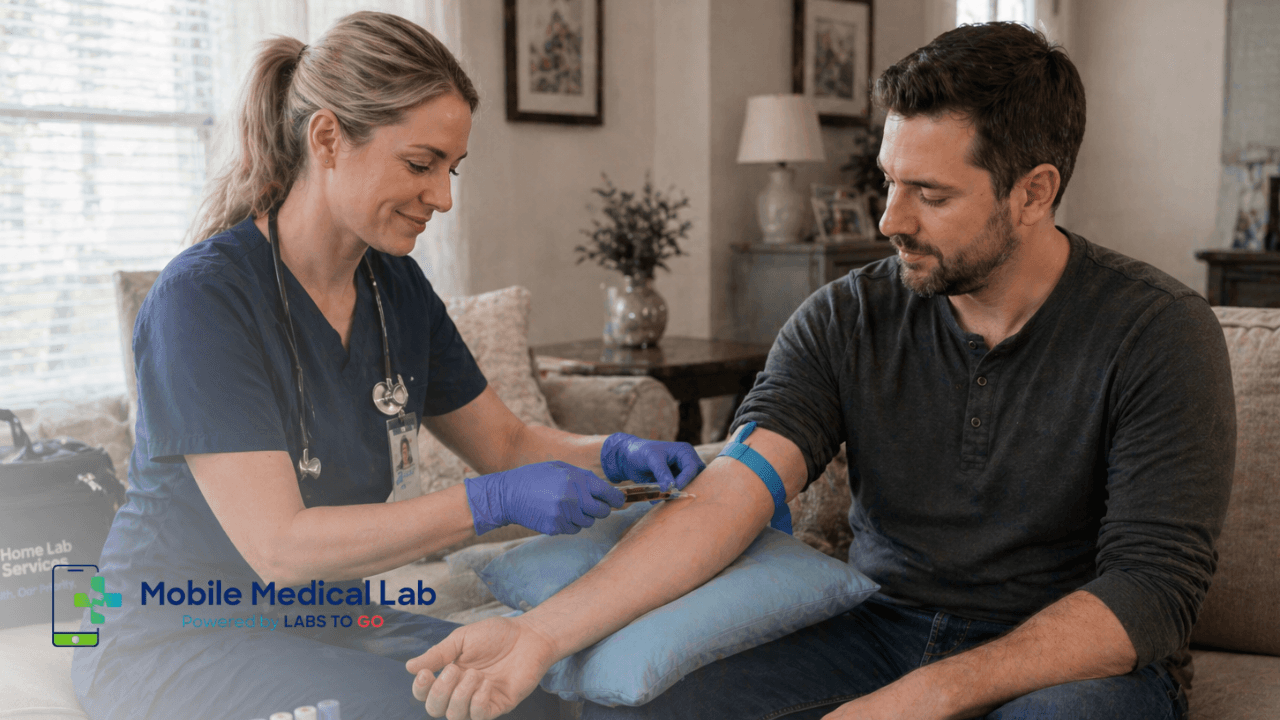
A mobile lab service provides professional diagnostic services — such as blood draws, specimen collection, and routine laboratory testing — directly at the patient's location. Additional services may include drug and alcohol testing, wellness screenings, mobile phlebotomy, and employer-based testing programs. This model offers a convenient, efficient, and patient-centered alternative to traditional clinic-based care.
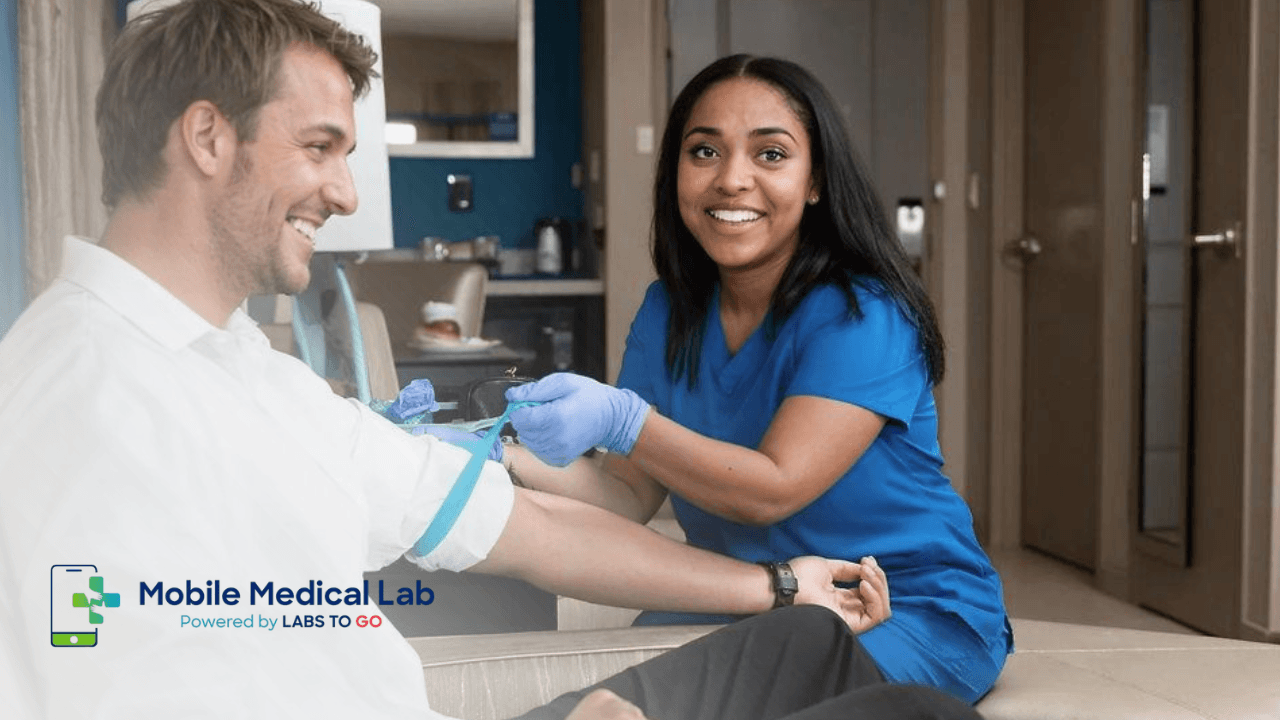
Instead of traveling, a certified professional comes to you — making it a popular choice for busy professionals, families and caregivers, elderly or mobility-limited patients, and employers needing on-site testing.
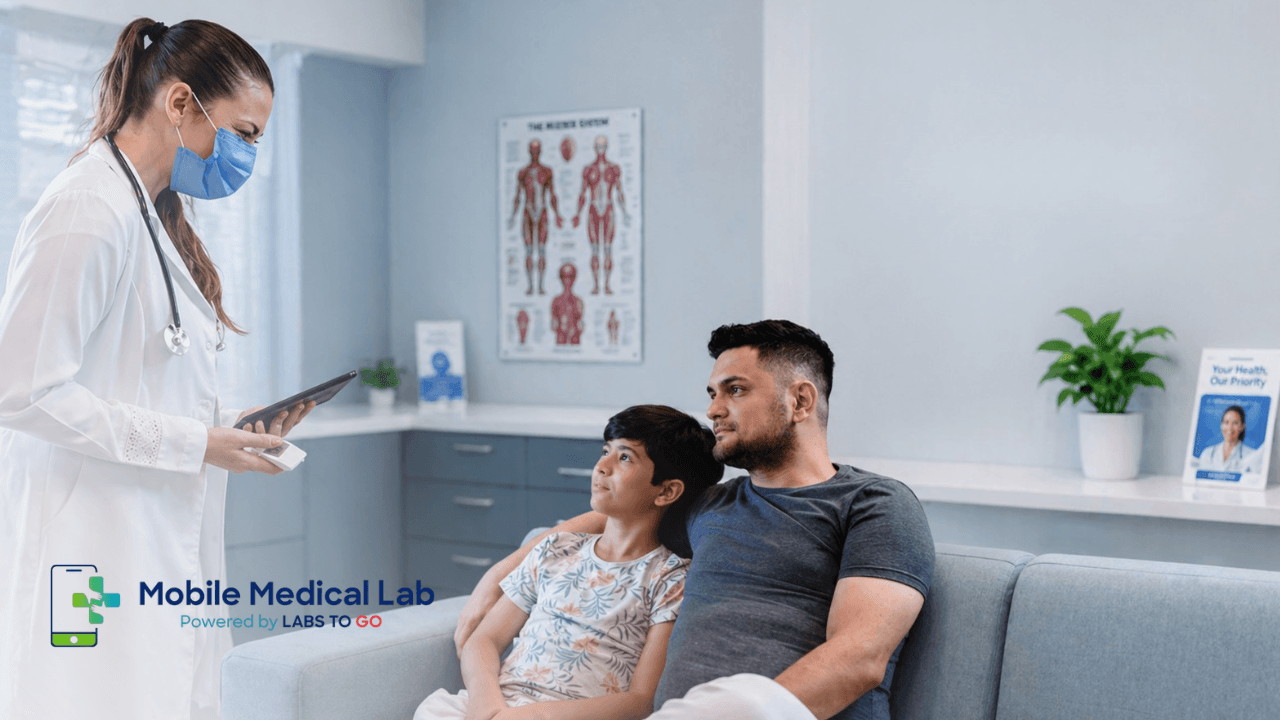
A traditional clinic or laboratory is a fixed healthcare facility where patients go for testing, exams, and diagnostics. While clinics offer a wide range of services — including imaging and specialist consultations — they typically require travel, scheduled appointments, and variable wait times.
Mobile Lab vs Traditional Clinic: Side-by-Side Comparison
1. Convenience & Accessibility
Mobile Lab
Testing done at your home, office, or facility — Healthcare professionals come directly to your location, eliminating the need to travel.
Flexible scheduling — Appointments can be arranged based on your availability, including evenings or weekends.
No travel or waiting rooms — You avoid commuting time and long clinic queues, saving valuable time.
Traditional Clinic
Requires transportation — Patients must travel to a physical clinic, which may involve additional time and cost.
Fixed hours and possible delays — Clinics operate within set business hours, and patients may experience wait times.
Best for convenience: Mobile Lab
2. Patient Comfort & Experience
Mobile Lab
Comfortable, familiar environment — Services are performed in a setting you already know, helping you feel more relaxed.
One-on-one personalized care — You receive focused attention, allowing for better communication and tailored care.
Reduced anxiety (especially for kids & seniors) — Being in a familiar space helps minimize stress, which is particularly beneficial for children, elderly patients, or those with medical anxiety.
Traditional Clinic
Busy, clinical setting — Clinics often have a fast-paced environment with multiple patients, which may feel impersonal.
Less personalized experience — Due to higher patient volume, interactions may be shorter and less tailored to individual needs.
Best for patient: Mobile Lab
3. Time & Efficiency
Mobile Lab
Scheduled appointments — Services are booked in advance at a specific time, ensuring a predictable experience without delays.
Minimal to no wait time — Since appointments are dedicated to you, there is little waiting involved.
Faster overall process — With fewer interruptions and no patient backlog, services are completed more efficiently.
Traditional Clinic
Long wait times during peak hours — High patient volume can lead to extended waiting periods before receiving services.
Multiple patients handled at once — Staff often manage several patients simultaneously, which may slow down individual service times.
Best for time: Mobile Lab
4. Services Offered
Mobile Lab
Blood draws and specimen collection — Trained professionals collect blood, urine, or other samples at your location for certified lab processing.
Routine lab testing — Common tests such as blood panels, cholesterol checks, and glucose testing can be performed at home.
Employer and wellness screenings — On-site services for companies, including drug testing, physicals, and health screenings.
Traditional Clinic
Imaging (X-ray, MRI) — Clinics are equipped with specialized machines to perform imaging procedures.
Physician consultations — Patients can meet directly with doctors for evaluations, diagnoses, and treatment plans.
Advanced diagnostics — Access to more complex testing and procedures that require specialized equipment.
Best choice depends on your needs — Routine tests → Mobile Lab · Complex diagnostics → Clinic
5. Privacy & Safety
Mobile Lab
Private, controlled environment — Services are conducted in a secure and familiar setting, allowing for greater privacy and comfort.
Reduced exposure to other patients — Care is provided one-on-one at your location, lowering the risk of exposure to illnesses.
Traditional Clinic
Shared spaces and waiting areas — Patients typically spend time in common areas alongside others, which may limit privacy.
Best for privacy: Mobile Lab
6. Cost Considerations
Mobile Lab
May include a mobile/convenience fee — Mobile services often come with an additional fee to cover travel and on-site service.
Saves time, transportation, and productivity costs — By eliminating travel and wait times, patients and businesses reduce indirect costs.
Traditional Clinic
Lower upfront cost — Traditional clinics typically have lower initial service fees since patients come to the facility.
Insurance coverage may apply — Many clinic-based services are more likely to be covered by insurance plans.
Pro Tip: When considering the full cost — including time, travel, and productivity — mobile lab services are often more cost-effective than they initially appear.
When Should You Choose a Mobile Lab?
A mobile medical lab is ideal if you want at-home blood testing without the hassle, have a busy schedule, need testing for multiple people, or prefer privacy and personalized care.
When Should You Go to a Traditional Clinic?
A clinic may be better if you need imaging or specialized procedures, require immediate physician consultation, or prefer in-network insurance options.
Why More Patients Are Choosing Mobile Lab Services in 2026
The shift toward mobile healthcare continues to accelerate, driven by changing patient expectations, advancements in technology, and the growing demand for more efficient and personalized care.
Increased demand for convenience
Today's patients value services that fit seamlessly into their busy lifestyles. Mobile lab services eliminate the need for travel, long wait times, and time off work. This is especially beneficial for individuals with limited mobility, those who are elderly, disabled, or recovering.
Growth in telehealth and at-home services
The rapid expansion of telehealth has normalized receiving care outside of traditional clinical settings. Mobile lab services complement this shift by bringing essential diagnostic testing directly to the patient.
Patient preference for personalized care
Patients are increasingly seeking more individualized attention. Mobile services offer one-on-one interactions, allowing providers to deliver more tailored and patient-centered care.
Greater focus on safety and infection control
Many patients prefer to avoid crowded healthcare environments. Mobile lab services reduce exposure to other individuals, making them an attractive option for those who prioritize health and safety.
Support for employers and community health initiatives
Businesses and organizations are leveraging mobile labs for on-site testing, wellness programs, and compliance requirements, further driving adoption across various sectors.
Final Thoughts
Both mobile labs and traditional clinics have their place in healthcare. The right choice depends on your needs: choose a mobile lab for convenience, comfort, and efficiency — choose a clinic for complex or specialized care.
For routine lab testing, many patients are discovering that healthcare can now come to them — without sacrificing quality or accuracy.
Frequently Asked Questions
Is a mobile lab as accurate as a traditional clinic?
+
Yes. Mobile labs use the same medical-grade collection materials, follow the same protocols, and process specimens at the same CLIA-accredited laboratories — including Labcorp and Quest Diagnostics — as traditional clinics. Test accuracy is identical; only the location of the draw differs.
What's the main difference between mobile lab services and a clinic?
+
A mobile lab brings the phlebotomist or healthcare professional directly to your home, workplace, or job site. A traditional clinic requires you to travel to a fixed facility, schedule around their hours, and often wait in a shared waiting area before being seen.
Are mobile lab services more expensive than going to a clinic?
+
Mobile services may include a small convenience or travel fee, but they typically save money overall when you account for transportation, parking, missed work, and waiting time. Many employer-sponsored, wellness, and compliance tests are covered through the organization.
Who benefits most from mobile lab services?
+
Busy professionals, families with young children, seniors, patients with limited mobility, and employers running on-site testing or wellness programs benefit most. Mobile services are ideal for anyone who values privacy, convenience, and personalized one-on-one care.
Can a mobile lab perform the same tests as a clinic?
+
Mobile labs cover most routine testing — blood draws, lipid panels, glucose testing, drug and alcohol screening, DNA testing, and wellness panels. For specialized imaging (X-ray, MRI) or in-person physician consultations, a traditional clinic is still the right choice.
How quickly can I get a mobile lab appointment?
+
With Mobile Medical Lab, appointments can often be booked the same day or within 24–48 hours, depending on provider availability in your area. Flexible scheduling includes evenings and weekends.
Ready to Skip the Waiting Room?
Experience the convenience of professional lab testing at your doorstep — same clinical accuracy, zero waiting rooms.